
Research HUB Erlacher.
We do Applied Sleep/XR Research for Sports Science.

This HUB is dedicated to integrate my different research activities. I'm an Associate Professor at University of Bern, leading a small yet highly motivated research group within the Department of Movement and Exercise Science at the Institute of Sport Science. My research is focusing on different areas in the field of sport science in connection to sleep/XR. Previously: PhD student and post-doc with Prof. Klaus Roth (Emeritus) at Heidelberg University (Germany) and Prof. Michael Schredl at Central Institute of Mental Health in Mannheim (Germany). You can read my PhD thesis here (Best Dissertation Award, Dvs-young investigator award).

Explore the Hub

The Hub.


From here you reach all our project, conference and outreach sites. Each site lives on its own – this page is the switchboard.

Research project

The Embodied Dreaming Project

SNSF project linking body stimulation and virtual reality training to lucid dreaming – work packages, team and results.

edp.erlacher.de
Network

Nightletics

Netzwerk Sport und Schlaf – the Swiss network bringing together sport and sleep science, practice and athletes.

nightletics.ch
Symposium

Lucid Dreaming Symposium Bern

Our symposium on lucid dreaming research – programme, speakers and outcomes.

ldsb.erlacher.de
Research project

BIND · AR & Embodied Action

Interdisciplinary UniBE project (BIND Grant) with Thomas König: augmented reality bridging embodied action flow to neural correlates.

bind.erlacher.de
Outreach

Klartraum.de

German-language information site on lucid dreaming – background, techniques and research.

klartraum.de
People

Alumni

Former PhD, MSc and BSc members of the Sport-Sleep-XR group – and where their paths have led them.

alumni.erlacher.de
University

ISPW · University of Bern

Institute of Sport Science at the University of Bern – our academic home; Daniel's staff page with the complete publication list is linked there.

ispw.unibe.ch
Records

Lists & Records

Publications, media coverage and talks – continuously maintained – plus information pages for press enquiries and school or thesis requests.

listen.erlacher.de
Private

erlacher.de

Daniel's personal site – the original page from the early days of the web, kept alive for the record.

erlacher.de
Coming soon

More sites

Further project, conference and lab sites will be linked here as they move to the new format.


Who Are We.


Our research team is located at the University of Bern at the Institute of Sport Science. We are a group of researchers and students with a strong background in sport science, sleep science, cognitive neuroscience, and virtual reality. Our research focuses on the interaction between sleep, physical activity, and the role of the physical body in this interplay. Former members of the group are listed on our Alumni page.
Meet Our Team.


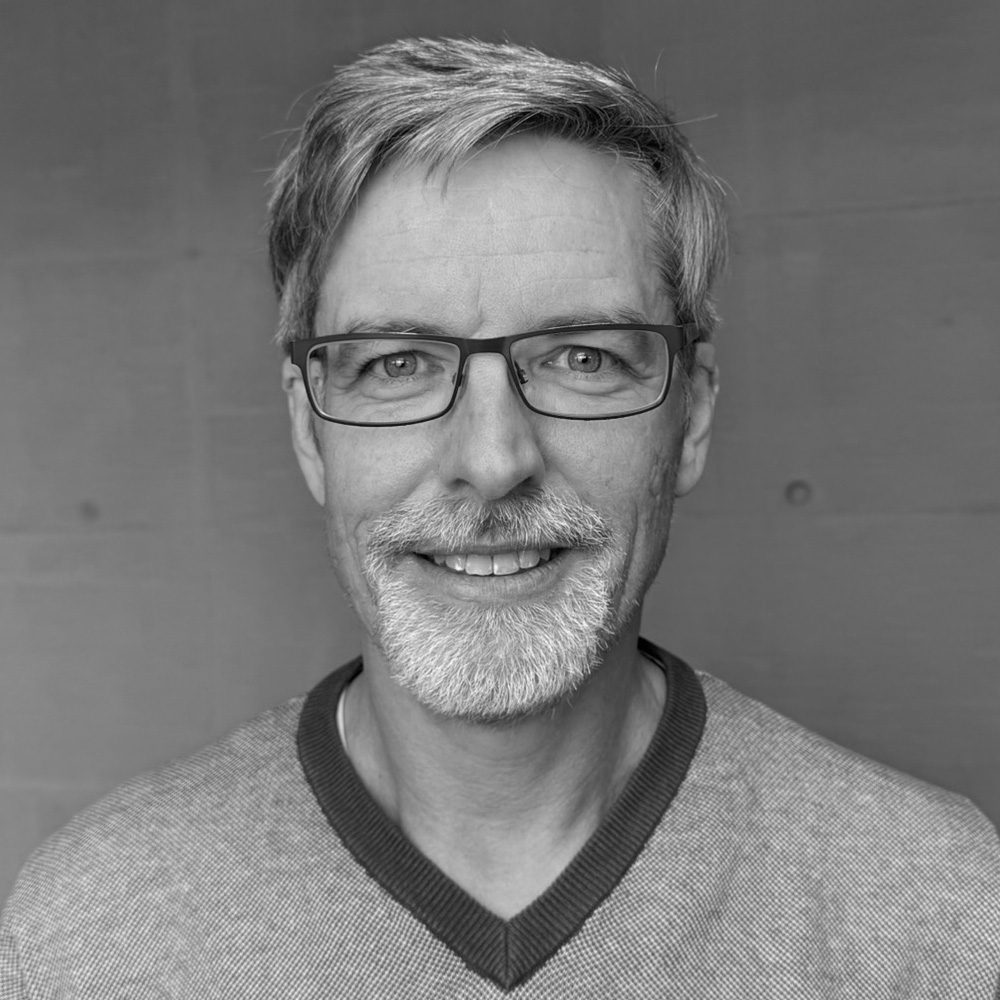
Daniel Erlacher

Daniel Erlacher

Associate Professor

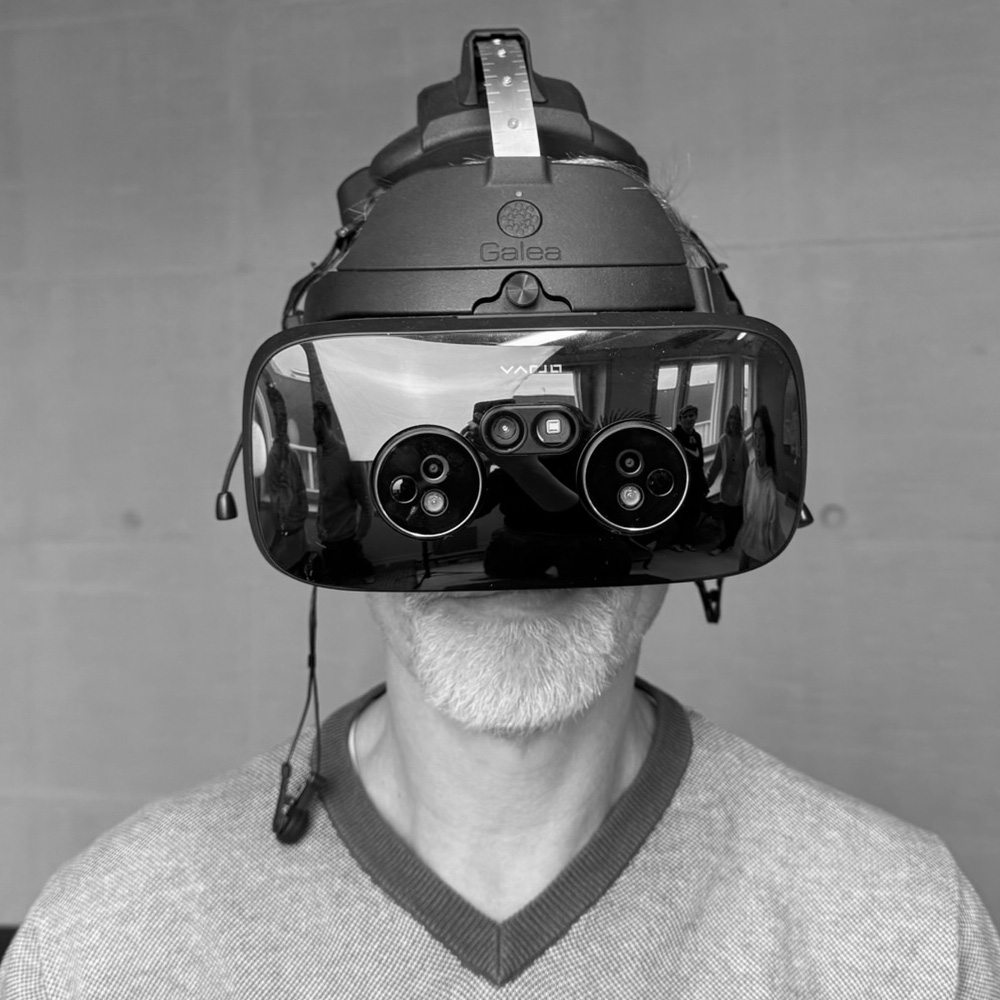
Daniel is the principal investigator of the Sport-Sleep-XR group in Bern, and an experienced researcher with a strong background in sports science, sleep, lucid dream research, and XR. His work focuses on understanding and enhancing performance through innovative approaches and interdisciplinary research.
Johanna Heitmann

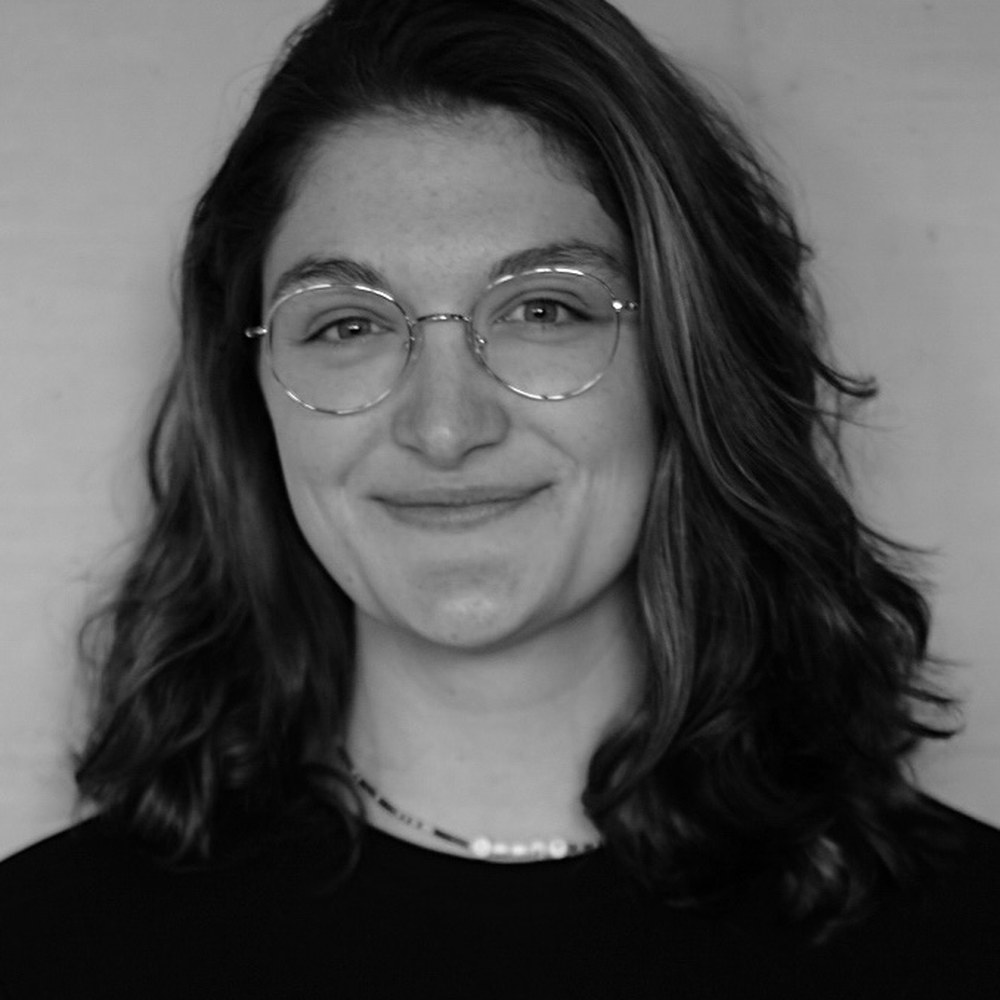
Johanna Heitmann

MSc student

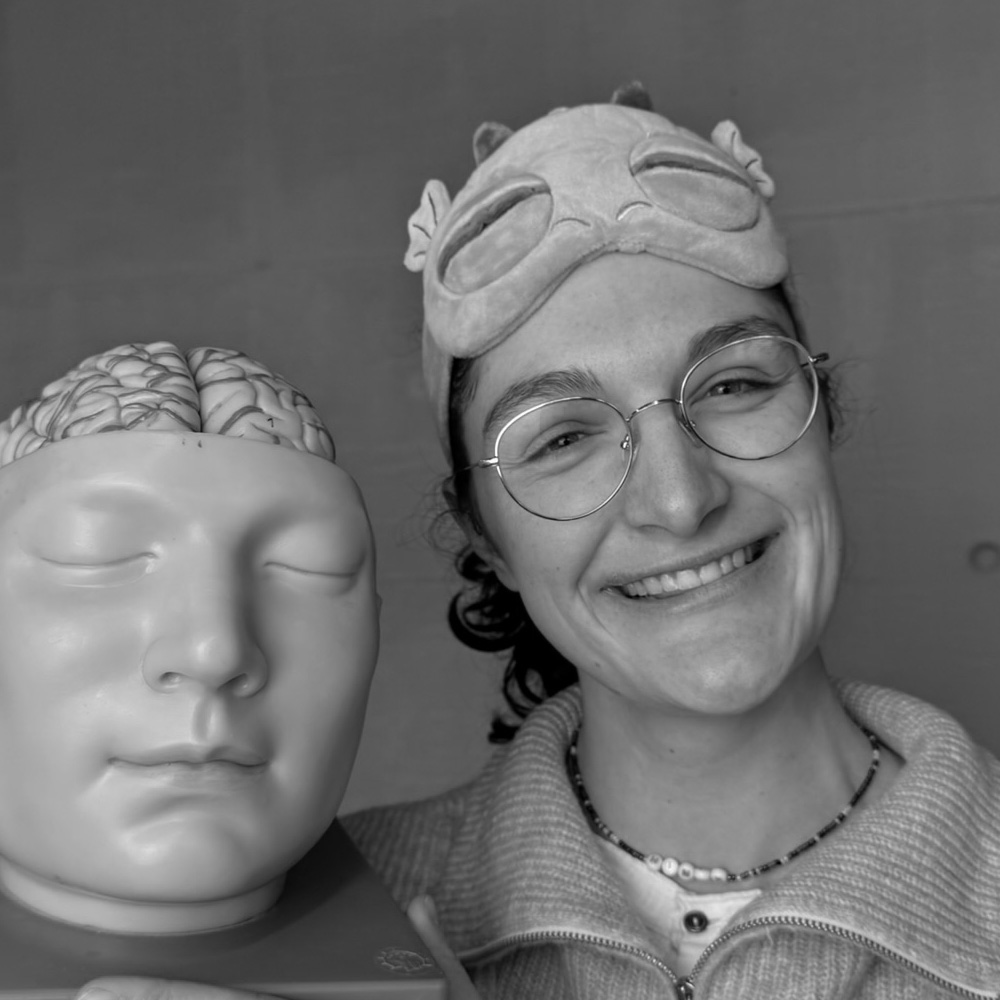
Johanna moved to Bern for a master's in sport science research after completing her bachelor's at the Technical University of Munich. While shaping her research focus, she develops a speech-to-text transcription tool. Her interests include sleep, dreams, hiking, skiing, and cheerleading.

YP

Yannick Pomorin

MSc student

Yannick is currently pursuing his Master's degree in Sports Science at the University of Bern.

Our Research.


Our research focuses on the interaction between sleep, physical activity, and the role of the physical body in this interplay. We are particularly interested in the role of sleep in sports performance, the effects of sleep on motor learning, and the role of sleep in the recovery process.
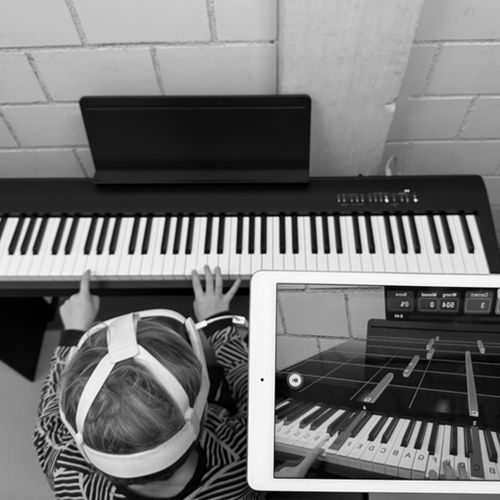
AR enhanced motor learning.

AR enhanced motor learning

Establishing AR as a learning aid for bimanual sequencing tasks, starting with piano playing. This concept will gradually be applied to more complex, sport-related tasks. The first phase involves creating AR content, calibration, experimental design, and integration with Meta-Quest and Unreal interfaces.
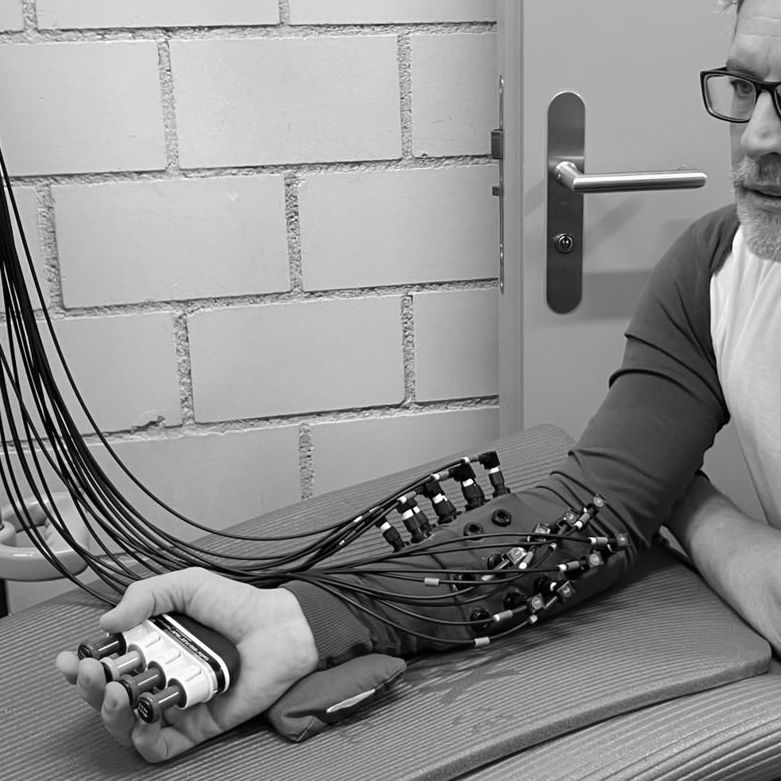
mNIRS based Training.

mNIRS based training

Applying mNIRS to track training volume load offers a way to enhance resistance training beyond basic sets and reps. mNIRS measures muscle oxygenation (SmO2), indicating oxygen supply-demand balance, metabolism, and exercise intensity in real-time, making it a valuable training tool.
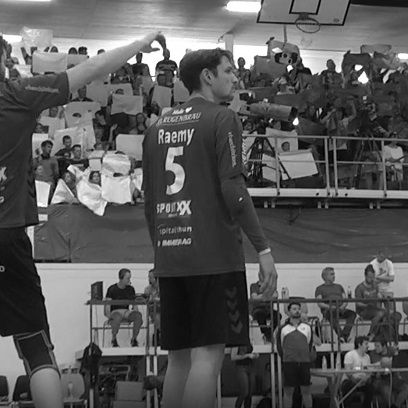
Sleep and Athletic Performance.

Sleep and athletic performance

Nightly sleep significantly impacts physical performance the next day. Sleep loss can impair cognitive function and mood, affecting both team and individual sports. Recent studies highlight the importance of sleep in sports performance, showing that pre-competition sleep is often disturbed, leading to reduced performance.
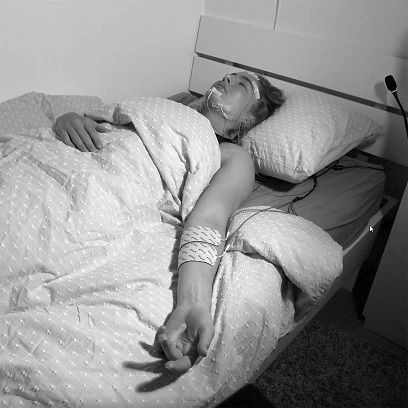
Embodied Dreaming.

Embodied dreaming

In the SNF project "The Embodied Dreaming Project," we explore how external body stimulations (balance, touch, hand movement) influence dream content and induce lucid dreams, aiming to develop new strategies for research, medical treatment, and sports.
Sleep and Muscular Regeneration.

Sleep and muscular regeneration

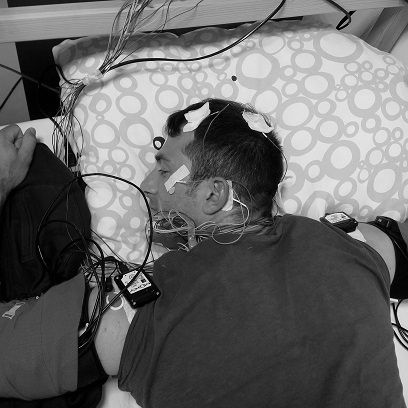
During sleep, skeletal muscle relaxation is believed to facilitate important restoration processes. We are investigating local physiological changes post-training and during sleep using NIRS methodology. Findings could highlight sleep's role in sports recovery and how physiological processes are reflected in dream content.
Procedural Memory Consolidation.

Procedural memory consolidation

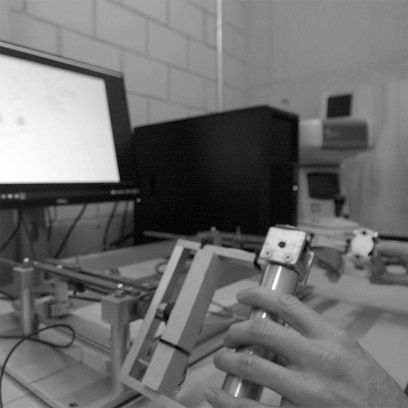
Memory consolidation during sleep is crucial for learning motor skills. Different sleep stages support motor memory formation based on skill level. Current studies explore the relevance of explicit and implicit memory content in sleep-related learning of complex motor tasks.

Our Research Funding.


Our previous research fundings:

Our Latest Research Output.


Find some of our latest research in the field of sleep/XR research:

SwissSleep

Sleep Disorders in Elite Athletes: A Hidden Challenge

Elite athletes across Switzerland are facing a hidden challenge: sleep disorders that can harm their performance and mental well-being. A recent study involving a wide range of sports, from football to gymnastics, reveals that many athletes experience poor sleep quality or struggle with sleep disorders like insomnia, restless legs, and nightmares. These issues are not just a result of stress or intense training schedules but are serious health concerns. Addressing sleep problems through proper screening and treatment could significantly improve athletes’ performance and overall health, helping them reach their full potential both on and off the field.

Outreach Material
Control room

Glance into our control room

The control room is the heart of our lab, where everything comes together. This is the place where we monitor physiological data, ensuring accuracy and consistency throughout each experiment. From here, we control various experimental setups, adjusting parameters as needed to maintain optimal conditions. With the coordination language Streamix we have the privilege to map the lab topology to an executable application – as the nerve center of our research, enabling precise coordination and allowing researchers to gather high-quality, reliable data for analysis.

HUB Insight
EEG setup

EEG Setup

The picture captures a training session on EEG setup for two new MSc students. Emma sits patiently as the students carefully position the EEG cap with active electrodes on her head. The electrodes require conductive gel, applied via a syringe. EEG recordings allow for the measurement of brain activity and sleep stages. This scene highlights the meticulous preparation essential for accurate data collection, emphasizing the importance of precise placement and adjustment of the EEG cap.

HUB Insight
WP1 results

Results of WP1

In the first Working Package, we employed a novel within-subject design to compare the incorporation of three different types of bodily stimuli—electrical muscular, galvanic vestibular, and haptic vibration—into dream content, alongside a control sham condition for each stimulus. In total, 24 participants spent one adaptation night, followed by three consecutive test nights in the sleep laboratory. REM awakenings, after sham or stimulation periods, were carried out for dream report collection.

Research Pre-print
VR setup

VR Setup for WP3

In the picture, Tobias is testing Unreal using a white virtual reality (VR) headset. He is holding controllers in both hands while immersing himself in a VR experience displayed on the monitor in front of him. Within this setup, we developed our virtual sleep lab, which is utilized in the first experiment of Work Package 3 of the Embodied Dream Project.

HUB Insight
Book Sport and Sleep

Book "Sport and Sleep"

At first glance, sport and sleep appear to be two topics that could hardly be more different: physical and mental peak performance on the one hand – inactivity and unconsciousness on the other. This book is dedicated to this new issue and uses various examples from sports practice to show that there are numerous points of contact here. A theoretical section at the beginning introduces the basics of sports science and sleep research, while the much larger section is dedicated to its application in a sporting environment. Among other things, the sleep behaviour of athletes is presented, including how jet lag in sport and sleep deprivation can become noticeable before sporting performances and competitions.

Book Promotion
Microstates in lucid dreaming

Microstates in lucid dreaming

During lucid dreaming, the dreamer is aware that they are dreaming. In past years, numerous studies have explored the characteristics of lucid dreams, which link lucid dreams to vivid visual perception, positive emotions, and wake-like metacognition and executive functions. To determine brain network activity associated with the conscious experience during lucid dreaming, we analyzed 39 sleep recordings (non-lucid REM vs. lucid REM) with 32-channel polysomnography from 8 lucid dreamers, using EEG microstate analysis. We found that microstates A and G dominated during lucid REM sleep compared to non-lucid REM sleep, and microstates B, C, and D dominated during non-lucid REM sleep compared to lucid REM sleep.

Research Pre-print
EMS stimulation

EMS stimulation

Despite the variety of stimuli used in research, no study has yet applied electromyostimulation (EMS) as a sensory stimulus in dream research. As part of the Embodied Dreaming Project, we explore how EMS during Rapid Eye Movement (REM) sleep could influence and potentially manipulate dream content. In the picture, you can see a participant with an EMS setup. During REM sleep, the EMS stimulation provokes a subtle finger or hand movement. Afterwards, the participant is awakened to provide dream reports, which are then analyzed for evidence of stimulus incorporation.

HUB Insight

Latest scientific output.


A complete publication list of Daniel Erlacher can be found here: UniBE ORCID Scholar

Media Presence.


Get Connected To The Hub.


If you're curious about our research, don't hesitate to reach out! We've been getting tons of inquiries – from the press, researchers, students, lucid dreamers, and school kids alike. Sometimes it takes us a few days to respond, but we’ll get back to you as soon as we can!

Contact

Daniel Erlacher
University of Bern | Institute of Sport Science | Bremgartenstrasse 145 | 3012 Bern | Switzerland
Phone: +41 31 684 52 06
E-Mail: daniel.erlacher@unibe.ch